


by Kate Wilson, RD, PHEc
Canada’s Food Guide isn’t just a set of rules—it’s a roadmap to better health. By following its recommendations, you can enjoy balanced meals, reduce health risks, and feel your best every day.
What Does a Healthy Plate Look Like?
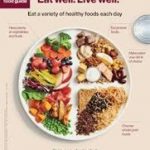
Canada’s Food Guide introduces the concept of the “Healthy Plate,” a simple tool that lets you visualize balanced meals. Here’s how it works:
- 1/2 Plate Fruits & Vegetables: Fill half your plate with a variety of fresh, frozen, or canned fruits and vegetables. Eat a range of colours to get a full spectrum of nutrients. Aim for at least one orange and one dark leafy green vegetable daily.
- 1/4 Plate Whole Grains: Choose whole grains like oats, whole grain bread and pasta, and quinoa more often. These provide fibre and essential nutrients to keep you energized.
- 1/4 Plate Protein: Include protein-rich foods like eggs, lean meats, milk and alternatives, nuts, seeds, beans, and lentils. Variety is key to meeting your nutritional needs.
- The guide also emphasizes choosing foods with healthy fats over those high in saturated fat to lower your risk of heart disease.
Remember, healthy eating doesn’t have to be complicated. Canada’s Food Guide is designed to help Canadians make nutritious choices every day, balancing portions and nutrients from a variety of different foods. The Healthy Plate method offers a practical reference tool to encourage you to have an adequate portion of many different healthy foods on your plate.
For more information on Canada’s Food Guide, read the Home and Family article on Canada’s Food Guide or visit Canada’s Food Guide.
Kate is a Registered Dietitian and Professional Home Economist in Manitoba with over 15 years of experience helping individuals improve their health through nutrition and wellness. She is passionate about food and enjoys tailoring nutrition plans for clients with chronic disease and weight management. In addition to her clinical work, Kate serves as the program coordinator for Farm to School Manitoba. In this role she promotes nutrition, educational resources, and the use of local agricultural products.
